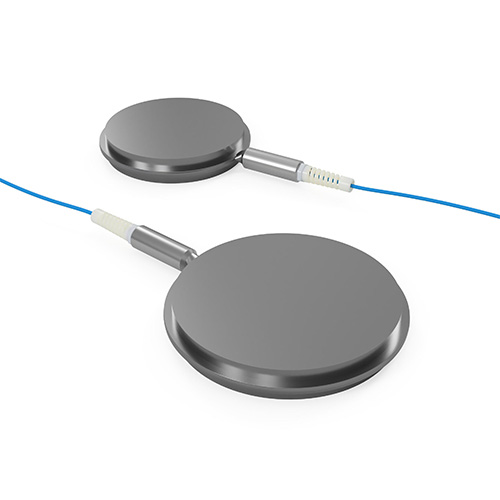

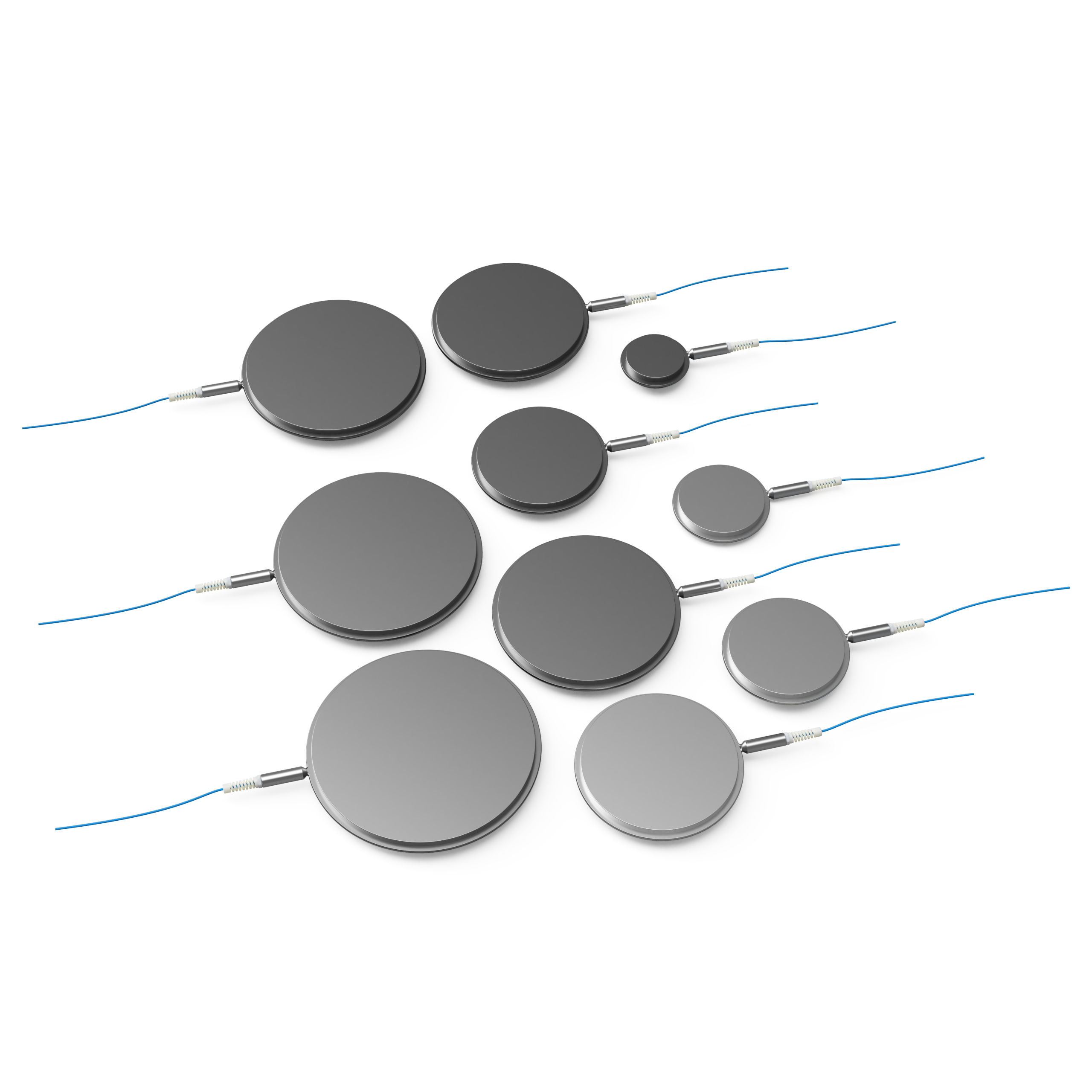
Hydraulic load cells are designed for the measurement of forces transmitted by structural elements under heavy load conditions, such as tunnel frames, struts, and support structures. The operating principle is based on the pressure variation of an incompressible fluid contained within a sealed chamber: the applied load generates a proportional increase in pressure, which is detected by a transducer and converted into a standard electrical signal. The load cell consists of two high-strength steel plates welded together to form an internal chamber filled with special oil, ensuring robustness and measurement stability even under high loads and non-uniform load distributions. This technology is particularly suitable for geotechnical and tunneling applications where reliable measurement of forces acting on structural elements is required. The electrical output (typically 4–20 mA) allows direct integration with automated data acquisition for continuous monitoring applications.

Exclusive Offers
Discover the benefits reserved for new customers. Contact our Sales Department to request your welcome discount on your first purchase and receive dedicated information on the best offers currently available!
Write to us at: lorenzo.magni@gestecno.com
Quick Sales
GESTECNO offers a wide range of instruments readily available in stock, with different cable types and lengths!
Water Level Indicators
Anchor Load Cells
Pressure Cells
Flat Jacks
Scroll to Top