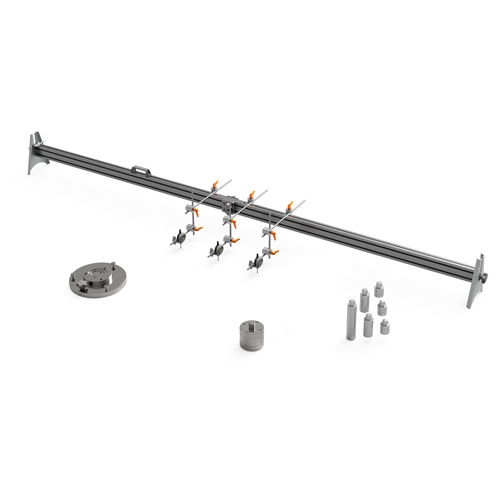
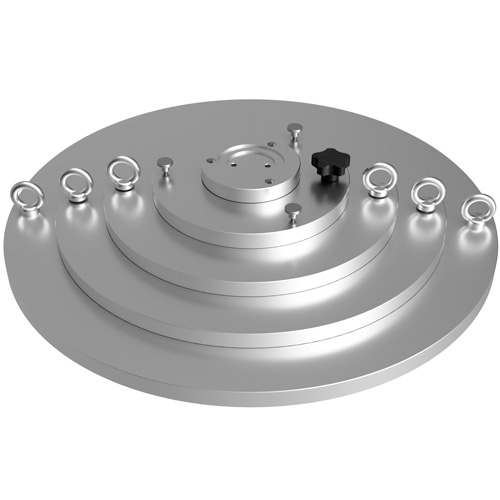
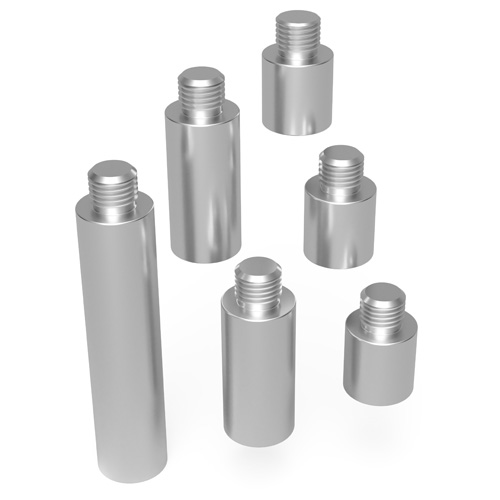
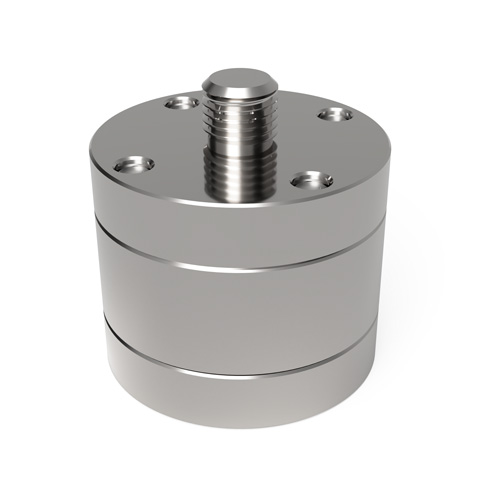
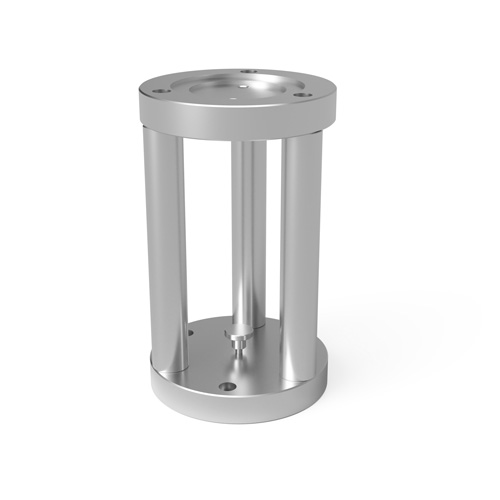
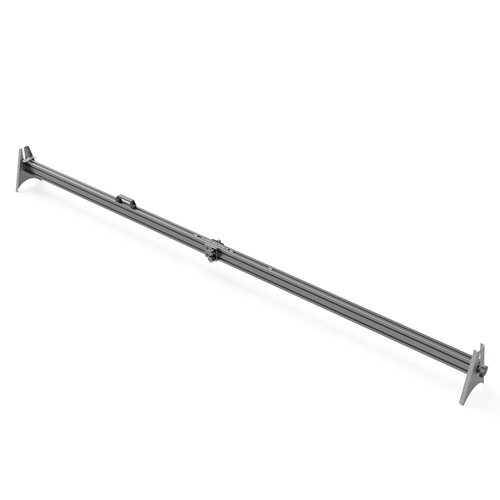
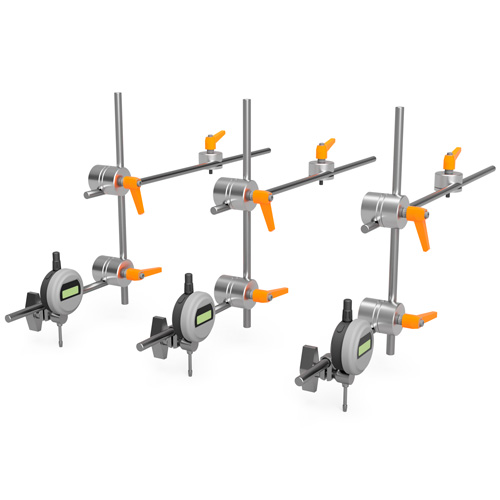
The plate load test is an essential non-destructive investigation method used to determine the bearing capacity and vertical settlement behavior of in-situ soils. The test consists of applying a load to the ground through a rigid circular plate with a diameter of 300 mm, while both the applied load and the corresponding settlement are continuously recorded. Soil bearing performance is evaluated through the deformation modulus Md, also referred to as the Young’s Modulus, which provides key information regarding the compaction and stiffness of the investigated layer. Plate load testing is widely used for the assessment of subgrade soils, foundation layers, and different types of pavement structures. These tests provide critical data for the design and construction of safe and durable infrastructures, supporting efficient resource management and optimized construction planning.